Dopamine and food: why the order feels better than the meal
Updated 2026-11-14 · 3 research sources
Dopamine is often called the brain's "pleasure chemical", but that's only half true. Research shows dopamine is mostly about wanting and anticipation: it surges when your brain predicts a reward is coming. That's why browsing a menu, building a cart and watching a delivery rider approach can feel so good before you've taken a single bite.
Wanting is not the same as liking
Neuroscientists Kent Berridge and Terry Robinson showed that the brain handles wanting (motivation, craving, the pull towards a reward) and liking (the actual pleasure of the experience) through partly separate systems. Dopamine is central to wanting. You can want something intensely and then find that eating it is merely fine, which is a familiar feeling to anyone who has finished a late-night order and felt flat afterwards.
Dopamine follows the prediction, not the plate
In classic experiments, Wolfram Schultz and colleagues recorded dopamine neurons as animals learned that a signal predicted a food reward. Early on, the neurons fired when the food arrived. Once the signal was learned, they fired at the signal instead, and stopped responding to the now-expected food. This "reward prediction error" is one of the best-established findings in neuroscience: dopamine tracks the promise of a reward more than the reward itself.
Food does release dopamine when eaten too: a brain-imaging study found dopamine release in the striatum during a meal that tracked how pleasant people rated it. But the anticipatory spike is the part that keeps you opening the app.
Why food delivery apps are built around anticipation
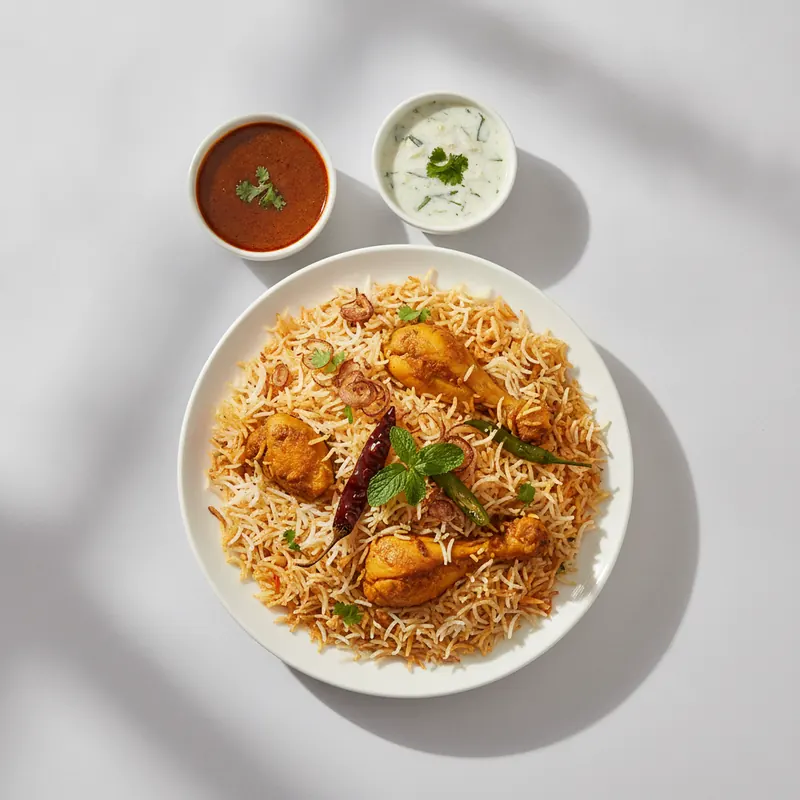
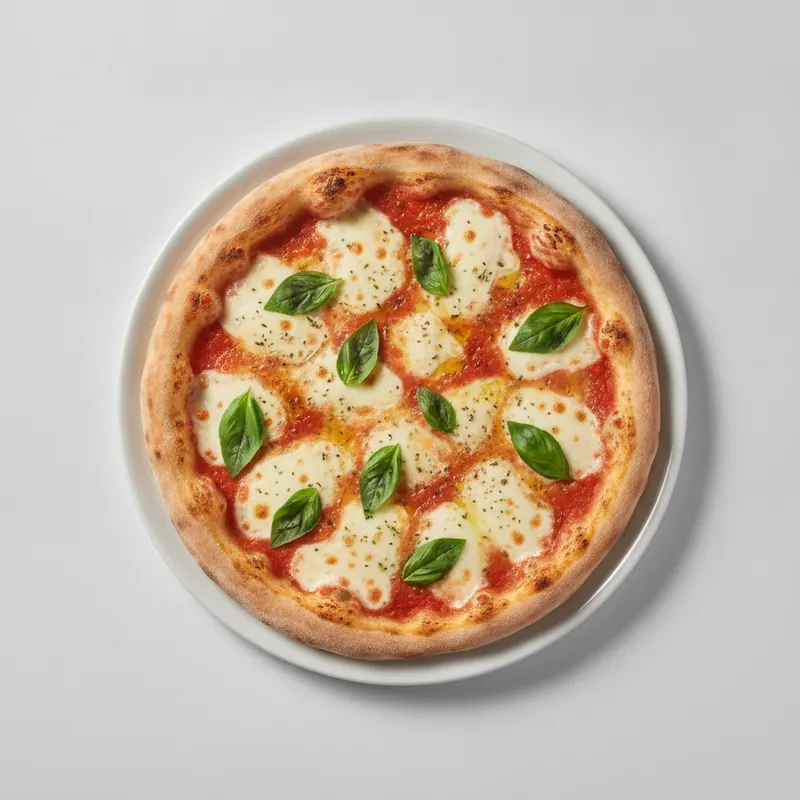
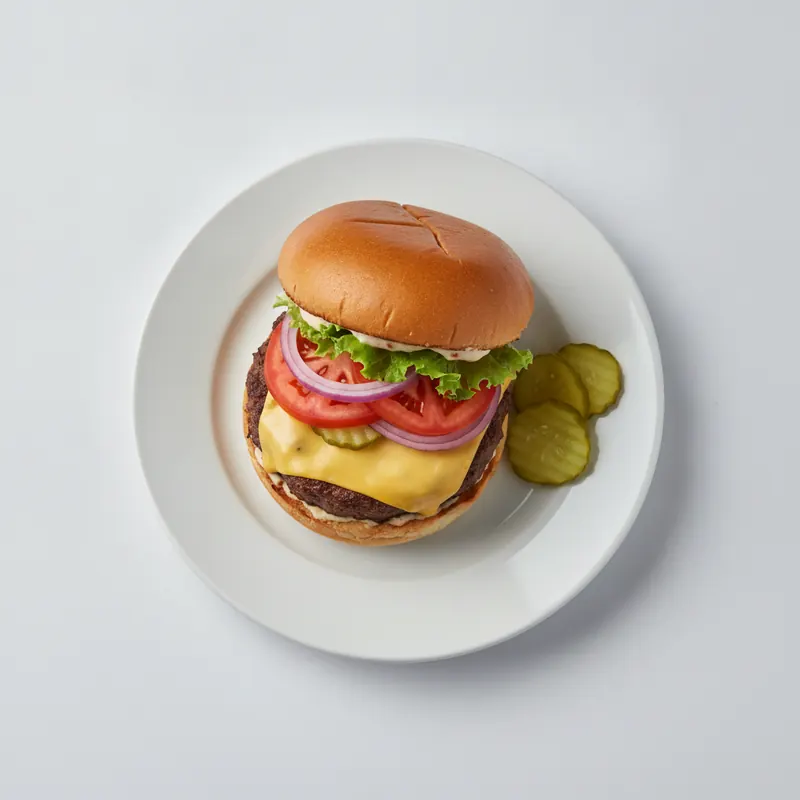
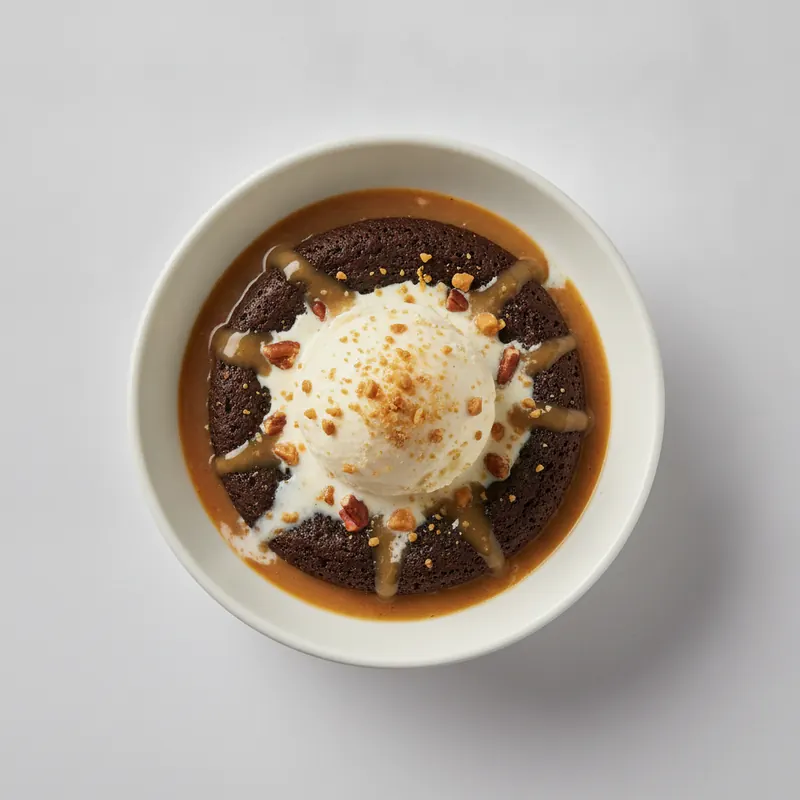
Look at an ordering flow through this lens: mouth-watering photos (cues), a cart that fills (progress), a confirmation (a promise), and a live map with a rider getting closer (a countdown to the reward). Every step is a fresh prediction that something good is about to happen. That's a lot of wanting packed into a few minutes.
Where BhookFlix comes in
BhookFlix keeps the anticipation and removes the food. You browse real dishes, build a cart, check out with monopoly money, and track a rider on a real map who gets right to your door and then turns away. The bet is that for a craving (as opposed to real hunger), the ritual is a big part of what you were after. It's a playful experiment rather than a treatment. Whether it works for you is something you can only find out by trying it.
If you're genuinely hungry, eat. Here are 428 real recipes, and a guide to telling hunger from a craving.
Sources
- Schultz W, Dayan P, Montague PR. A neural substrate of prediction and reward. Science, 1997;275(5306):1593-1599. Link
- Berridge KC, Robinson TE. What is the role of dopamine in reward: hedonic impact, reward learning, or incentive salience? Brain Research Reviews, 1998;28(3):309-369. Link
- Small DM, Jones-Gotman M, Dagher A. Feeding-induced dopamine release in dorsal striatum correlates with meal pleasantness ratings in healthy human volunteers. NeuroImage, 2003;19(4):1709-1715. Link
This guide is general information, not medical advice. If eating or cravings are causing you distress, please talk to a doctor or qualified professional.