Why some meals satisfy you and others leave you hungry
Updated 2026-11-14 · 3 research sources
Two meals with the same calories can leave you feeling completely different: one keeps you content for hours, the other has you raiding the kitchen by evening. Scientists call the after-meal feeling satiety, and a few simple factors drive most of it.
Not all calories fill you equally
In a classic study, researchers fed people 240-calorie portions of 38 different foods and measured how full they felt over the next two hours. Boiled potatoes scored highest of all, around seven times more filling than a croissant, the lowest. Foods high in protein, fibre and water tended to be more filling; foods high in fat and refined sugar tended to be less filling per calorie.
Four things that make a meal satisfying
- Protein. Lentils, beans, eggs, paneer, fish and chicken tend to keep you fuller for longer.
- Fibre. Vegetables, whole grains and pulses add bulk and slow digestion.
- Volume and water. Soups, salads and vegetable-heavy dishes fill your stomach for fewer calories.
- Time. Fullness hormones like PYY and GLP-1 take a while to rise (see hunger hormones), so eating slowly gives them time to work.
Why there's always room for dessert
Even when you're full, a different food can look appealing. Researchers call this sensory-specific satiety: the pleasantness of a food you've been eating drops as you eat it, while foods with a different taste and texture stay appealing. That's why a varied buffet makes it easy to overeat, and why dessert finds room after a big meal.
Satisfied vs just full
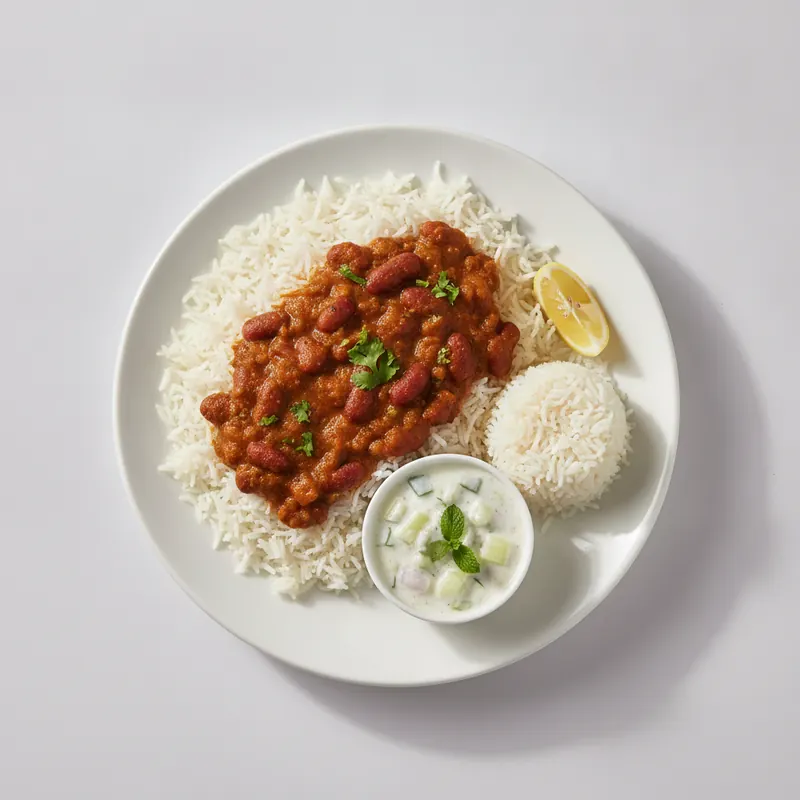
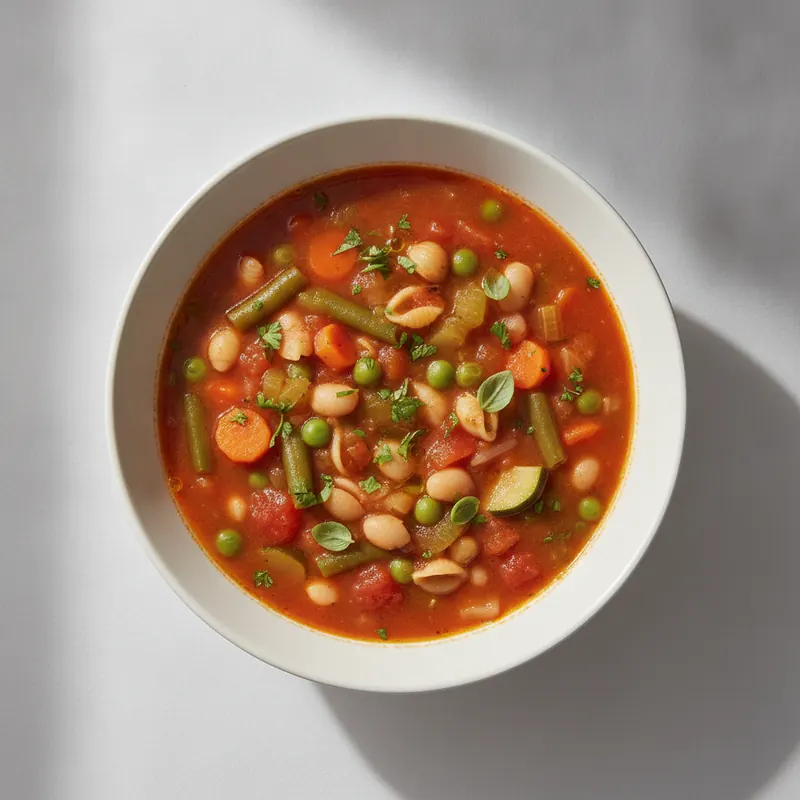
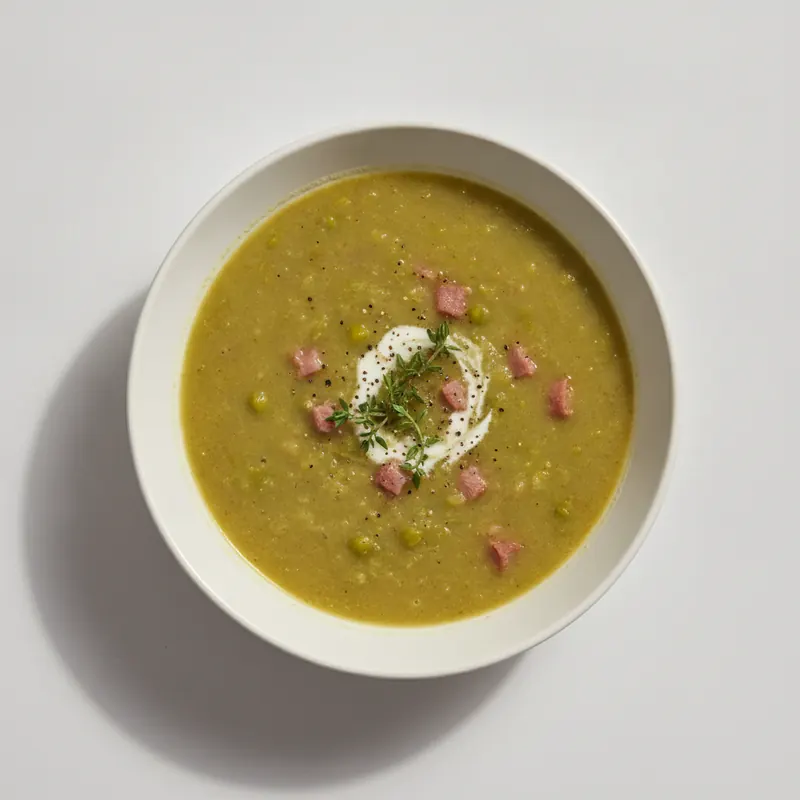
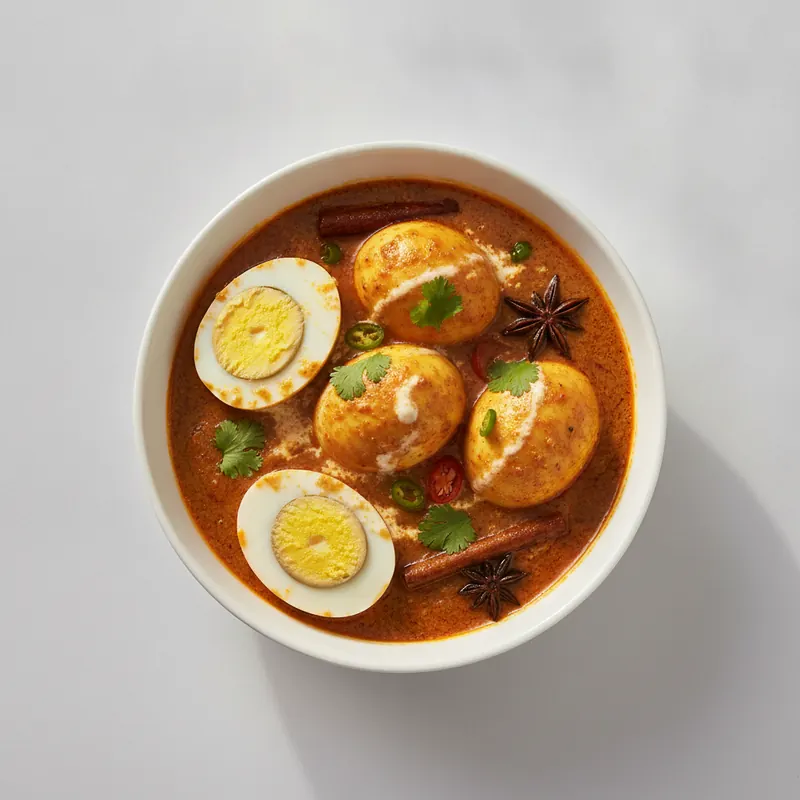
Feeling satisfied is partly physical fullness and partly the experience: anticipating the meal, enjoying it, and finishing it. That's the idea BhookFlix plays with. The anticipation of a meal is genuinely rewarding (see dopamine and food), so for a craving, as opposed to hunger, the ritual alone sometimes does the job. For actual hunger, cook something filling. Here are some ideas below, or browse all 428 recipes.
Sources
- Holt SH, Miller JC, Petocz P, Farmakalidis E. A satiety index of common foods. European Journal of Clinical Nutrition, 1995;49(9):675-690. Link
- Rolls BJ, Rolls ET, Rowe EA, Sweeney K. Sensory specific satiety in man. Physiology & Behavior, 1981;27(1):137-142. Link
- Batterham RL, Cowley MA, Small CJ, et al. Gut hormone PYY3-36 physiologically inhibits food intake. Nature, 2002;418:650-654. Link
This guide is general information, not medical advice. If eating or cravings are causing you distress, please talk to a doctor or qualified professional.