Hunger vs craving: how to tell which one you're feeling
Updated 2026-11-14 · 3 research sources
Physical hunger builds slowly, comes from your stomach and body, and is happy with almost any food. A craving arrives suddenly, lives in your head, and wants one specific thing, right now. Knowing which one you're feeling is the single most useful habit for eating on your own terms.
The short answer
Hunger is your body asking for energy. A craving is your brain asking for a particular reward. The two often overlap (you can be hungry and crave pizza), but they behave differently, and the differences are easy to spot once you know them.
7 signs it's a craving, not hunger
- It came on suddenly. Hunger rises gradually over hours; a craving can appear in seconds, often after you see, smell or think about food.
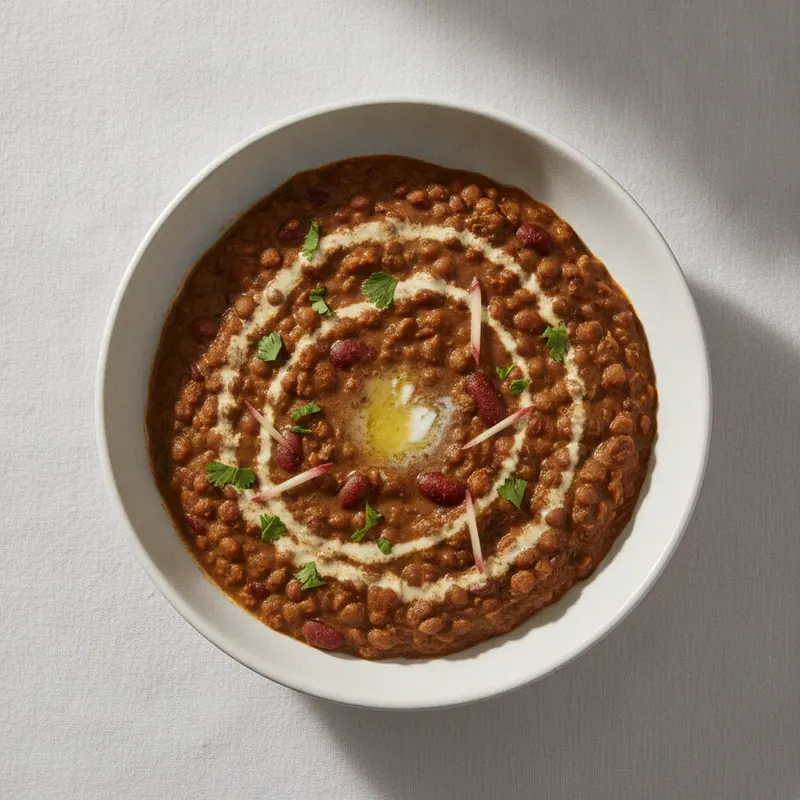
- Only one food will do. If an apple or a plate of dal sounds fine, you're probably hungry. If it has to be the biryani, it's a craving.
- You ate recently. Wanting dessert twenty minutes after a full meal is rarely about energy.
- It started with a trigger. A food advert, a delivery app notification, a smell from the street, scrolling past a reel.
- It's tied to a feeling. Boredom, stress, tiredness, loneliness and celebration all drive cravings far more than an empty stomach does.
- Your body is quiet. Real hunger brings physical signals: a growling or empty stomach, low energy, difficulty concentrating, sometimes irritability.
- It fades if you wait. Cravings tend to peak and pass within minutes if you do something else; hunger keeps building until you eat.
Why cravings feel so urgent
Psychologists describe cravings as an intrusive thought about food that your mind then elaborates: you start picturing the taste, the smell, the first bite. That vivid mental imagery is what keeps the urge alive (the "elaborated intrusion" theory of desire). It is also why distraction works so well: in one study, playing Tetris for just three minutes reduced the strength and vividness of everyday cravings, because the game competes for the same visual imagination the craving was using.
The brain's dopamine system adds fuel. Dopamine is less about the pleasure of eating than about wanting: it marks a cue (the photo, the notification) as worth chasing. See our guide to dopamine and food.
A 60-second check before you order
- When did I last eat a proper meal?
- Would a plain, simple meal satisfy me right now?
- What was I doing or feeling just before this started?
- If I wait ten minutes, will I still want it?
If the answers point to hunger, eat something real and filling. Our 428 recipes are a good place to start. If they point to a craving, try one of the ways to ride out a craving, or, if you want the ritual without the food, fake-order it on BhookFlix: browse, build the cart, check out, and watch a rider who never arrives.
Sources
- Kavanagh DJ, Andrade J, May J. Imaginary relish and exquisite torture: the elaborated intrusion theory of desire. Psychological Review, 2005;112(2):446-467. Link
- Skorka-Brown J, Andrade J, May J. Playing 'Tetris' reduces the strength, frequency and vividness of naturally occurring cravings. Appetite, 2014;76:161-165. Link
- Berridge KC, Robinson TE. What is the role of dopamine in reward: hedonic impact, reward learning, or incentive salience? Brain Research Reviews, 1998;28(3):309-369. Link
This guide is general information, not medical advice. If eating or cravings are causing you distress, please talk to a doctor or qualified professional.